
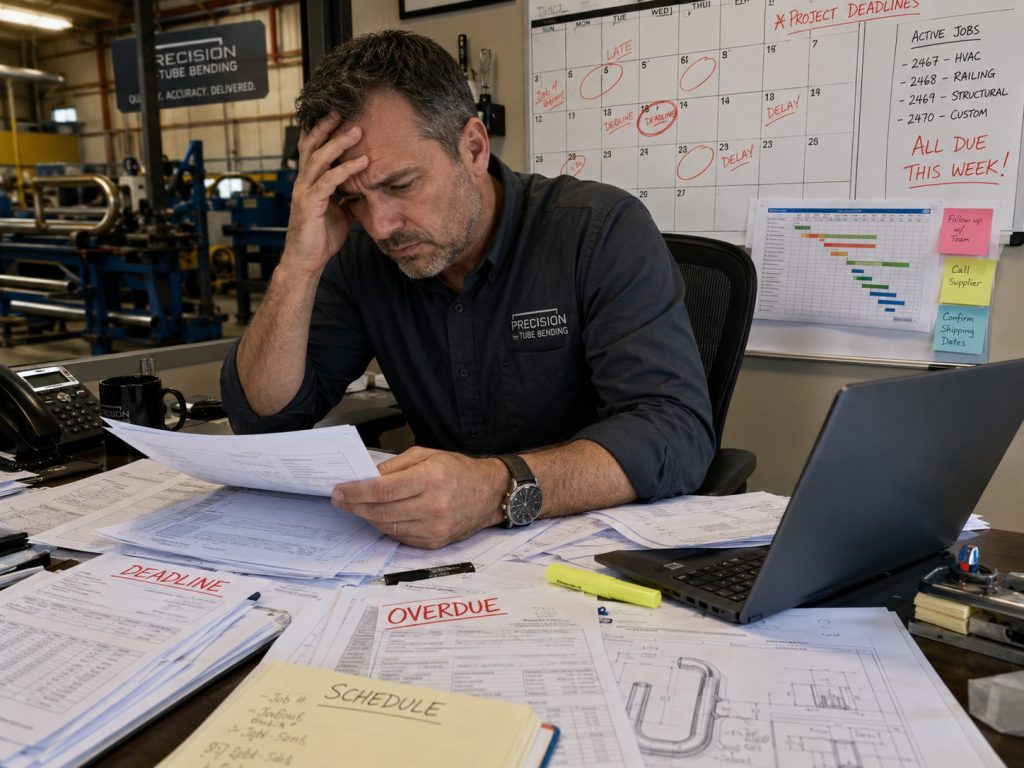
In today’s competitive manufacturing environment, workforce shortages can have a significant impact on productivity, quality, and profitability. While many organizations recognize the challenges of finding skilled talent, understaffing often develops gradually, making it difficult to identify until operational performance begins to suffer.
If your organization is experiencing any of the following 7 warning signs, it may be time to evaluate your workforce strategy and consider additional staffing support.
Occasional overtime is expected in manufacturing, especially during peak production periods. However, when employees are regularly working extended shifts or weekends, it may indicate that your workforce is stretched too thin.
Excessive overtime can lead to:
When staffing levels are insufficient, production schedules often become difficult to maintain. Missed deadlines can damage customer relationships, create supply chain disruptions, and negatively affect your company’s reputation.
If your team is struggling to keep up with demand despite working harder than ever, workforce shortages may be a contributing factor.
Understaffing places additional pressure on existing employees. As workloads increase, job satisfaction often declines.
Employees who feel overworked or unsupported are more likely to seek opportunities elsewhere, creating a cycle where staffing shortages lead to even more turnover.
Monitoring turnover trends can help identify whether workforce strain is affecting retention.
When employees are rushed or managing excessive workloads, mistakes become more likely.
Common indicators include:
Quality problems not only impact profitability but can also damage customer trust over time.
Plant managers and supervisors should be focused on leadership, process improvement, and operational efficiency. If they are regularly covering production roles, recruiting candidates, or managing scheduling emergencies, staffing shortages may be pulling them away from higher-value responsibilities.
This can limit your organization’s ability to improve productivity and support long-term growth.
Workplace safety often suffers when teams are understaffed.
Fatigue, stress, and rushing to meet production demands can contribute to:
Maintaining adequate staffing levels helps create a safer and more productive work environment.
One of the most overlooked consequences of understaffing is missed business opportunities.
Whether it’s taking on a new customer, launching a new production line, or expanding operations, workforce limitations can prevent organizations from capitalizing on growth opportunities.
When staffing challenges become a barrier to strategic goals, proactive workforce planning becomes essential.

Recognizing the warning signs of understaffing is the first step toward building a stronger workforce. For this reason, manufacturers that proactively address staffing gaps are better positioned to improve productivity, maintain quality standards, and support long-term growth.
Partnering with an experienced staffing and recruiting firm can help organizations quickly access qualified talent for contract, contract-to-hire, and direct placement opportunities.
At The DAKO Group, we help manufacturers and engineering-focused organizations find skilled professionals who can make an immediate impact. Whether you’re facing workforce shortages, increased production demands, or long-term hiring challenges, our team can help you build a workforce strategy that supports your business goals.
Need help finding qualified talent? Contact The DAKO Group to learn how our staffing solutions can help keep your operations running at full capacity.
Posted In: Employment staffing
Tags: manufacturing staff shortage, understaffed stress